Predatory lending and mortgage fraud: what South Carolina law protects you from
By Marcus Beck · Updated 2026-08-03
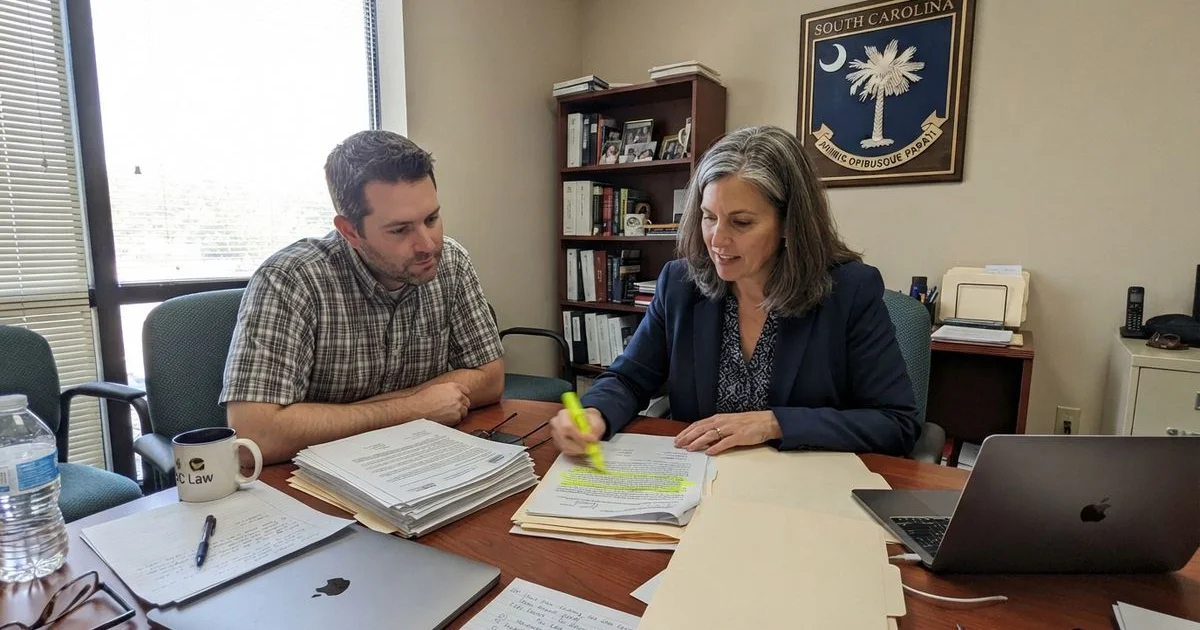
Most mortgages are straightforward. Some aren’t, and the difference often only becomes obvious once a homeowner is deep into a foreclosure and starts asking how the loan terms got so unfavorable in the first place.
This is general information, not legal advice about a specific loan or transaction.
What predatory lending actually looks like
Predatory lending isn’t always outright fraud. Often it’s a loan structured or sold in a way that favors the lender at the borrower’s expense, using tactics that make the terms hard to fully understand at signing.
| Red flag | Why it matters |
|---|---|
| Loan terms that changed between application and closing | Suggests bait-and-switch pricing or last-minute fee additions |
| Pressure to sign quickly without time to review documents | Prevents borrowers from catching unfavorable terms |
| Loan payments that clearly exceeded what the borrower could afford | Can indicate the lender didn’t properly verify ability to repay |
| Steering toward a costlier loan product when the borrower qualified for better terms | A pattern found in some documented predatory lending cases |
| Excessive or duplicated fees buried in closing paperwork | Fees that weren’t clearly disclosed or explained upfront |
Where mortgage fraud fits in
Mortgage fraud is a step further: misrepresentation somewhere in the transaction, whether that’s falsified income or asset documentation, a forged signature, or misrepresented property information. It can be committed by a borrower, a lender, or a third party like a broker, and it can become relevant in a foreclosure case if it affected the loan’s validity or terms.
The distinction matters for what kind of claim, if any, applies to your situation. Predatory lending claims typically challenge the fairness of legal terms, while fraud claims challenge whether the transaction was legitimate at all. A single case can sometimes involve both, particularly where aggressive sales tactics were paired with paperwork that didn’t accurately reflect the borrower’s actual financial picture.

How South Carolina consumer protection law responds
State and federal consumer protection statutes give homeowners avenues to challenge loans that were originated unfairly or fraudulently. This can include claims against the original lender or a subsequent loan holder, depending on how the case is structured. These claims can sometimes be raised as a defense within an active foreclosure case, not just as a separate lawsuit, which matters if you’re already in litigation. If the concern is how your loan is being handled now rather than how it was originated, our mortgage servicer violation claims page covers that separate track.
These protections exist precisely because loan origination happens once, quickly, and often under pressure, while the consequences play out over decades. A borrower who felt rushed or confused at closing isn’t necessarily out of options years later just because the ink has long since dried on the paperwork.
What to do if something feels off about your loan
Pull your original loan file: the application, closing disclosure or settlement statement, and any correspondence with the lender or broker during origination. Compare what you were told at the time to what the paperwork actually says. If numbers don’t match, if you don’t recognize signatures on documents, or if you were pushed into terms that didn’t match what you’d agreed to verbally, those are worth raising with an attorney.
Don’t assume too much time has passed to matter. Time limits on these claims vary by the specific legal theory involved, and some issues can still be raised as a defense even within an ongoing foreclosure case, regardless of how long ago the loan originated. The only way to know for sure is to have someone with the right experience actually look at the paperwork.
The bottom line
Not every unfavorable loan is predatory, and not every predatory loan is fraud, but both are worth investigating if something about your mortgage’s origin doesn’t add up. A consumer protection attorney can review your loan documents and tell you whether a real claim exists. Visit the homepage to find local attorneys, and see our scoring methodology for how this directory evaluates them.
Common questions
- What counts as predatory lending?
- Broadly, loan terms or sales practices designed to take advantage of a borrower, such as hiding fees, pushing a loan the borrower clearly can't afford, or using high-pressure tactics to rush a signature.
- How is mortgage fraud different from predatory lending?
- Predatory lending usually involves unfair but technically legal terms pushed on a borrower. Mortgage fraud involves misrepresentation, such as falsified income documents or a forged signature, and can be a basis for legal action against the responsible party.
- Can I challenge my loan years after signing if I suspect something was wrong?
- It depends on the specific issue and applicable time limits, which vary by claim type. The sooner you raise a concern with an attorney, the more options are typically available.
- What should I bring to a consultation about a suspected predatory loan?
- Your original loan documents, the closing disclosure or HUD-1 settlement statement, and any communications with the lender or broker during the loan process.