
#1
87 Burnside Law Firm
5.0(51)✓ Google-verified
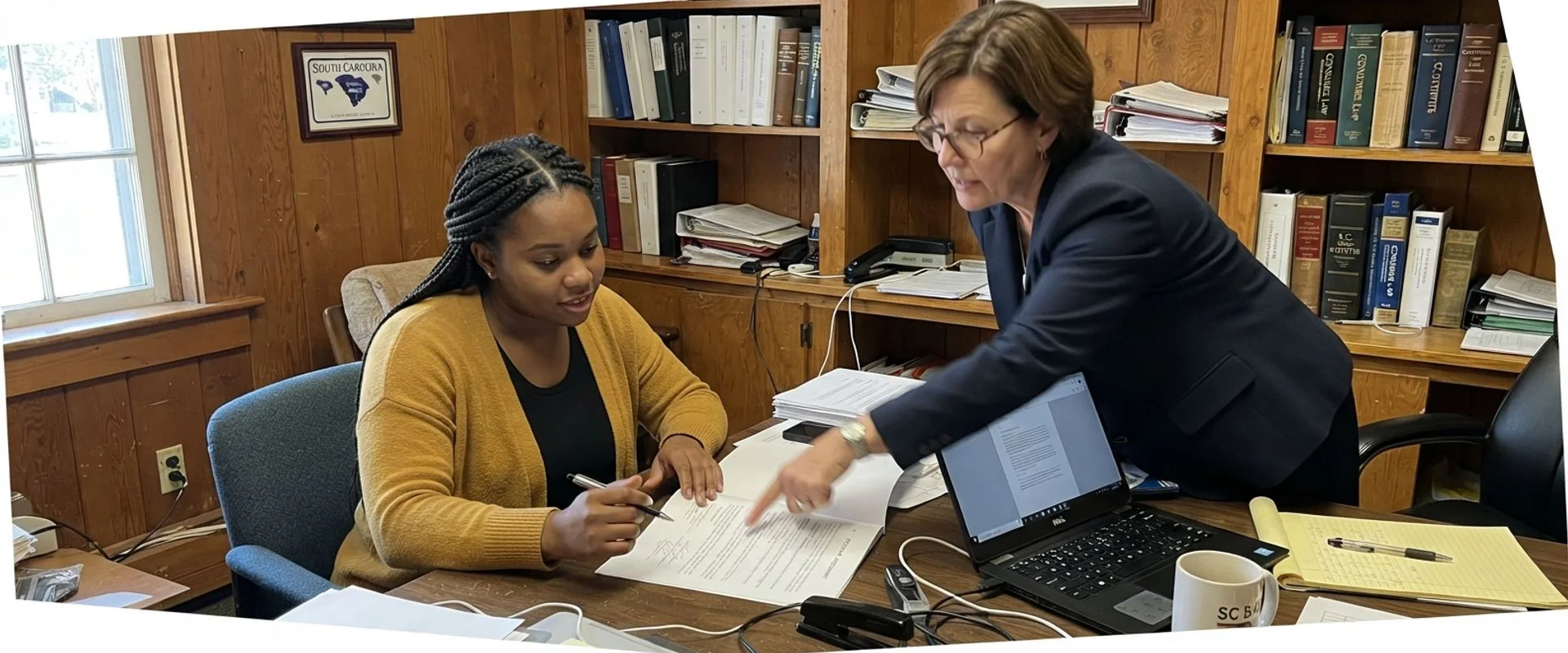
Kelly Burnside and her team earn consistent five-star praise for moving fast, answering calls, and treating clients like family. Reviewers across personal injury, workers comp, probate, and power of attorney work describe feeling heard and informed throughout their cases, with straightforward explanations and strong results. Staff including Raquel (translator) and Dani are named for warmth and clarity. Clients highlight how Kelly fights aggressively yet patiently for settlements and case wins, from dropped traffic tickets to workers comp battles. The firm covers car accidents, slip-and-falls, workplace injuries, probate, and disability claims across West Columbia and surrounding areas.
Bankruptcy LawReal Estate & Title LawDebt Collection Defense