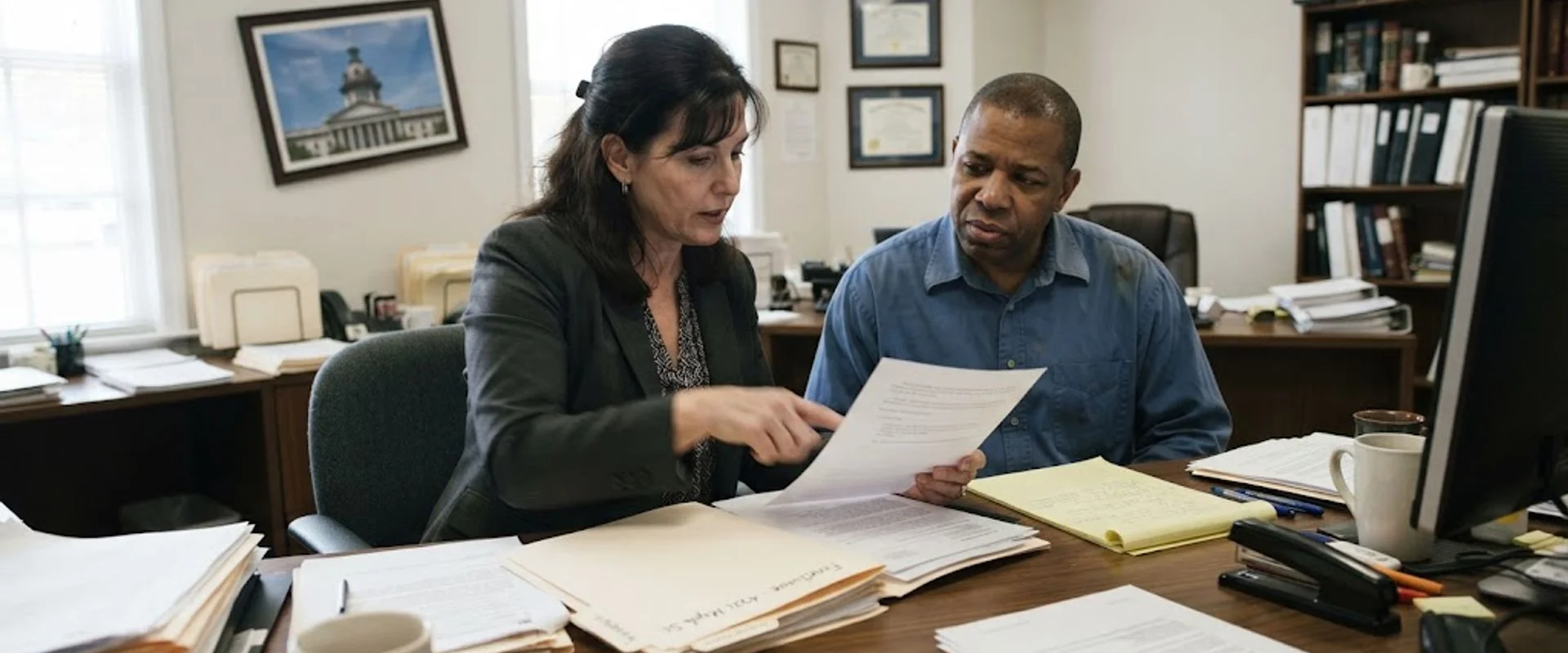
Foreclosure defense covers the legal work involved when a homeowner falls behind on mortgage payments and the lender starts, or threatens, foreclosure proceedings. A defense attorney reviews the loan file for servicer errors, represents the homeowner in court (South Carolina requires judicial foreclosure, so nearly every case goes before a judge), negotiates directly with the lender, and lays out realistic options: loan modification, forbearance, repayment plan, short sale, deed in lieu of foreclosure, or bankruptcy as a last resort to stop a sale. Timing matters. The earlier an attorney gets involved after a missed payment or a notice of default, the more options tend to be on the table.
West Columbia has 13 attorneys and firms working in this category, and they are not interchangeable. Some concentrate on aggressive litigation and delaying tactics to buy time for a workout, others focus on negotiating modifications directly with servicers, and a few pair foreclosure work with bankruptcy filings. When you're comparing options, look for someone who handles South Carolina's judicial foreclosure process regularly, communicates clearly about fees (flat fee versus hourly, and what happens if the case goes to trial), and is upfront about realistic outcomes rather than promising to "stop foreclosure guaranteed." Ask how many active foreclosure cases they're carrying and how quickly they return calls, since responsiveness matters most when a sale date is already set.
Our scoring weighs client feedback, responsiveness, case outcomes where known, and experience specific to foreclosure and mortgage law rather than general practice. For a ranked, side by side comparison of all 13, see the best foreclosure attorneys in West Columbia guide. Details on how we score and rank every firm are on our methodology page.