Free and low-cost foreclosure help in South Carolina
By Marcus Beck · Updated 2026-08-12
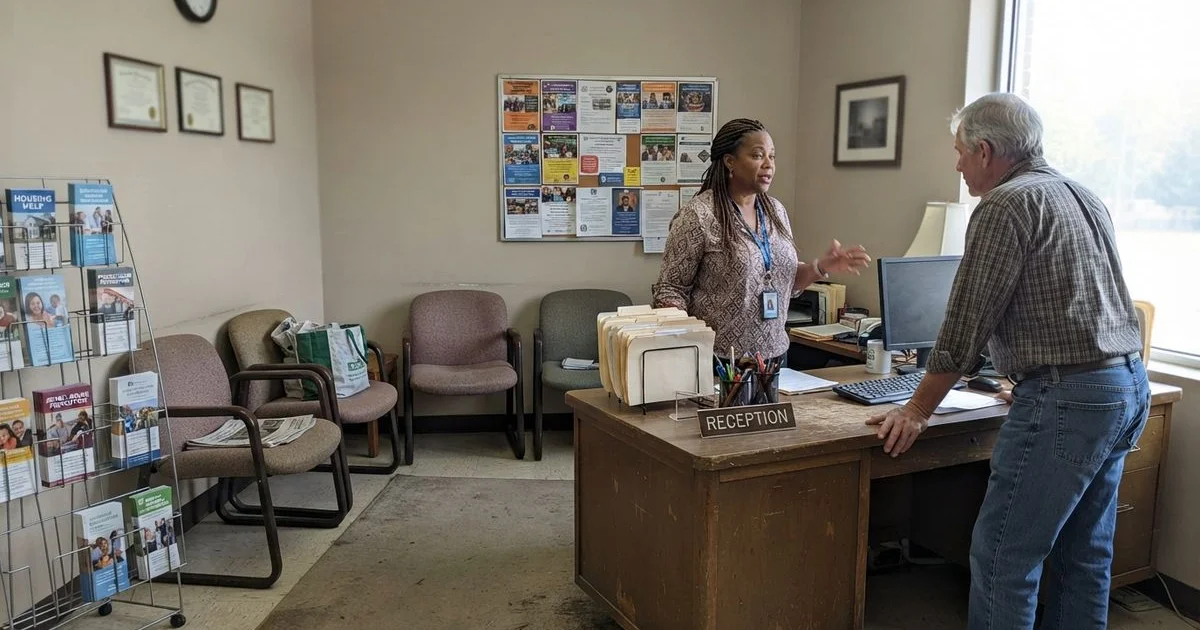
Money is often the exact thing standing between a homeowner and the help they need. Fortunately, free and low-cost resources exist specifically for this gap, though it helps to know what each one can and can’t do.
This is general information, not legal or financial advice for a specific situation.
What free help typically covers
| Resource type | What it offers | Typical limits |
|---|---|---|
| HUD-approved housing counseling | Budget review, servicer communication help, modification application support | Can’t represent you in court or give legal advice |
| Legal aid organizations | Free legal representation for income-qualifying homeowners | Limited capacity; often prioritizes urgent or strong-defense cases |
| Servicer-based assistance programs | Forbearance, repayment plans, or modification programs offered directly by the lender | Only as generous as the servicer’s own program terms |
| Nonprofit financial counseling | Broader budget and debt guidance beyond just the mortgage | Doesn’t address active litigation |
Some homeowners also qualify for protections beyond these general resources: see our guides on help for seniors on a fixed income and VA and military homeowner protections if either applies to your situation.
When free help is genuinely enough
If you’re early in the process, haven’t been sued yet, and mainly need help understanding your options or preparing a modification application, a housing counselor can be exactly the right resource, at no cost to you. They’re experienced with servicer paperwork and can often move things along faster than trying to handle it entirely alone, partly because they deal with the same servicers and modification programs repeatedly and know what documentation tends to get an application approved versus stalled.
When free help isn’t enough on its own
Once a lawsuit is filed, a sale date is scheduled, or your case involves a dispute over what you actually owe, the situation usually calls for legal representation rather than counseling alone. Legal aid can sometimes fill this role for income-qualifying homeowners, but capacity is limited, and not every case that needs an attorney will get one through legal aid. In that situation, a paid consultation, and possibly full representation, becomes the more realistic path, and many firms still offer that first consultation at no cost even if the case ultimately requires paid representation.

How to combine free and paid help effectively
These resources aren’t mutually exclusive. Many homeowners start with a housing counselor to get organized and understand the servicer’s requirements, then bring in a paid attorney once a legal deadline appears or negotiations stall. Housing counseling documentation, like a completed budget analysis, can also make a paid consultation more efficient, since the attorney isn’t starting from zero.
Think of it as a relay rather than a choice between one path or the other. The counselor’s job is getting your paperwork and options organized; the attorney’s job, once needed, is protecting your legal position and negotiating from a position informed by that groundwork.
Applying for legal aid
Income and household size typically determine eligibility, and applications usually ask about your case’s current stage. Apply even if you’re unsure you qualify, since criteria vary and some organizations weigh urgency alongside income. If you’re turned away, ask whether they can refer you to a reduced-fee private attorney, since many legal aid organizations maintain those relationships.
Applying earlier rather than later matters here too. Legal aid organizations often have more room to take on a case before it’s reached an urgent deadline, and a case that arrives with a sale date a week away is competing for the same limited capacity as everyone else in a similar bind.
The bottom line
Free and low-cost help is a real and often underused resource, especially early in a foreclosure case. It has real limits once litigation starts, and knowing where that line is helps you avoid losing time on an approach that’s no longer enough. Visit the homepage to compare local attorneys when you’re ready for that step, and see our scoring methodology for how this directory evaluates them.
Common questions
- What does a HUD-approved housing counselor actually do?
- They review your financial situation, help you understand your options with your servicer, and often help prepare loan modification applications. They can't represent you in court or give legal advice.
- Am I eligible for legal aid if I'm facing foreclosure?
- Eligibility usually depends on income and household size. Many legal aid organizations prioritize cases with a clear defense or urgent timeline, so it's worth applying even if you're not certain you qualify.
- Can free help stop a scheduled sale?
- It depends on timing and the type of help. Housing counseling generally works best earlier in the process. Once a sale date is close, paid representation or a bankruptcy filing is often the more realistic way to buy time.
- Is free help worse than paying for an attorney?
- Not necessarily worse, but different in scope. Free resources are strong for guidance, documentation, and negotiation support. They're not a substitute for representation in an active lawsuit.