VA and military homeowner protections against foreclosure
By Marcus Beck · Updated 2026-08-18
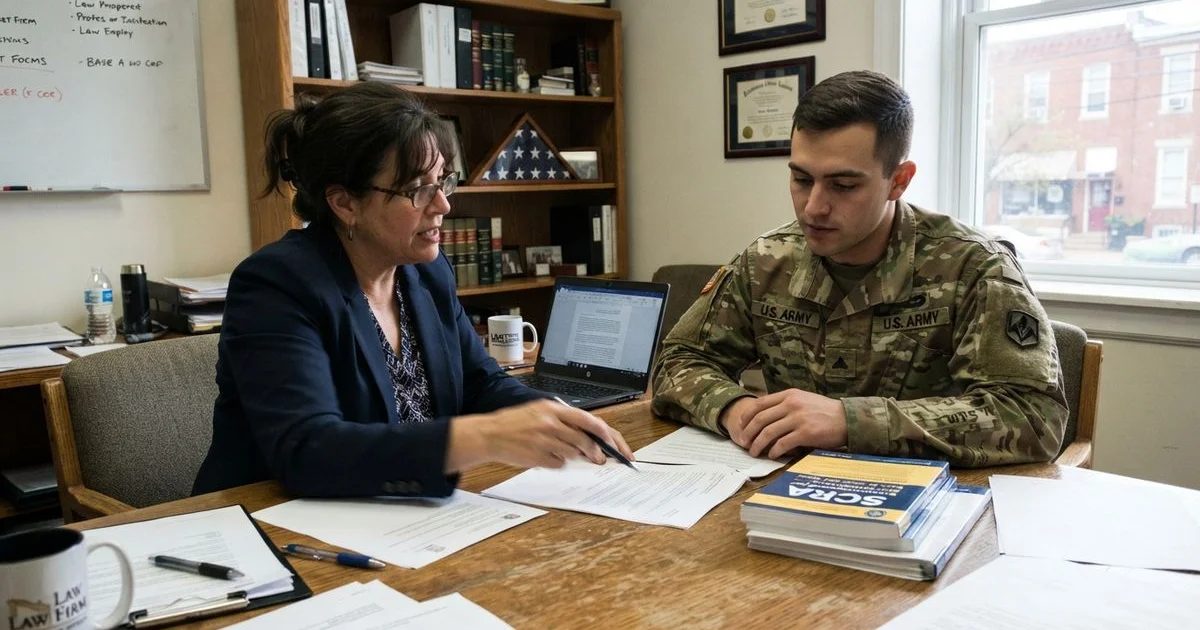
Military service comes with financial protections most homeowners don’t have access to, but only if you know they exist and actively invoke them. These work alongside broader options too; see our guide to free and low-cost foreclosure help for resources open to any homeowner regardless of service status.
This is general information, not legal advice for a specific service member’s situation.
The Servicemembers Civil Relief Act
The SCRA is a federal law built to reduce financial pressure on active-duty servicemembers so they can focus on their service without losing their home over it. Among its protections, the SCRA can limit or delay foreclosure actions on a mortgage that originated before active duty began, and it caps interest rates on certain pre-service debts, often at 6 percent. These protections aren’t automatic in every respect; some require you to notify your lender of your status and request the protection in writing, and a lender that skips this step can face real consequences for proceeding without a required court order.
One point that surprises people: SCRA foreclosure protections generally apply to a mortgage taken out before you entered active duty, not one you signed while already serving. If you bought the home during your current period of service, different rules and other protections may apply instead, which is worth clarifying early rather than assuming SCRA automatically covers your loan.
Who qualifies
| Status | SCRA relevance |
|---|---|
| Active-duty servicemembers | Core protections apply, including foreclosure limits and interest rate caps on qualifying pre-service debt |
| National Guard and Reserve on qualifying active duty | Certain protections extend during covered orders |
| Recently separated servicemembers | Some protections extend for a period after leaving active duty |
| Veterans no longer on active duty | SCRA protections generally no longer apply, though VA loan-specific options may still help |
VA loans have their own path
If your mortgage is a VA loan, there’s an additional layer of support available. VA regional loan centers can sometimes intervene directly with the servicer to explore loss mitigation options before a foreclosure proceeds, since the VA has its own interest in helping veterans avoid default on loans it guarantees. Servicers of VA loans are also generally expected to explore options like a repayment plan or loan modification before referring a case to foreclosure, which gives veterans an extra layer of process most conventional borrowers don’t have.
This is separate from and can work alongside SCRA protections if you’re still on active duty. A veteran who has left active duty no longer has SCRA rights, but the VA loan servicing requirements don’t disappear when your service ends, so it’s worth asking your servicer directly what VA-specific loss mitigation options apply to your loan regardless of your current duty status.

What to do if you’re facing this situation
Notify your servicer of your active-duty or veteran status as early as possible and in writing, along with supporting documentation like orders or a discharge certificate. Don’t assume the servicer will apply protections automatically just because they’re aware of your status informally; large servicing departments handle thousands of accounts, and a note in a call log isn’t the same as a formal request on file. If you have a VA loan, ask specifically whether the VA loan center can be looped in before your case escalates further, and keep a copy of everything you send in case the request gets lost internally.
When to bring in an attorney
If a lender doesn’t honor SCRA protections you’re entitled to, or if your case has already moved into litigation despite qualifying military status, an attorney can raise these protections formally in court. Timing matters, since some SCRA protections are tied to windows around your period of service, so don’t wait to get a professional opinion if your situation is time-sensitive.
The bottom line
Military service brings real legal protection against foreclosure, but it has to be invoked, documented, and sometimes defended in court to actually work. Don’t assume protection happens automatically. Visit the homepage to find a local attorney, and see our scoring methodology for how this directory evaluates them.
Common questions
- What is the Servicemembers Civil Relief Act?
- A federal law that provides legal and financial protections to active-duty servicemembers, including limits on foreclosure actions and interest rate caps on debts incurred before military service.
- Do SCRA protections apply to National Guard and Reserve members?
- Certain protections extend to Guard and Reserve members while on qualifying active duty orders. The specific rules and duration can vary, so confirming your status with an attorney is worthwhile.
- Does having a VA loan change my foreclosure options?
- Yes. VA loans have their own servicing and loss mitigation options, and VA regional loan centers can sometimes get involved to help resolve a default before foreclosure proceeds.
- What should I do first if I'm on active duty and facing foreclosure?
- Notify your servicer of your active-duty status in writing and provide documentation. This can trigger specific protections and give you more time and options than a civilian borrower might have.