Is hiring a foreclosure attorney worth it, or can you handle it alone?
By Marcus Beck · Updated 2026-07-16
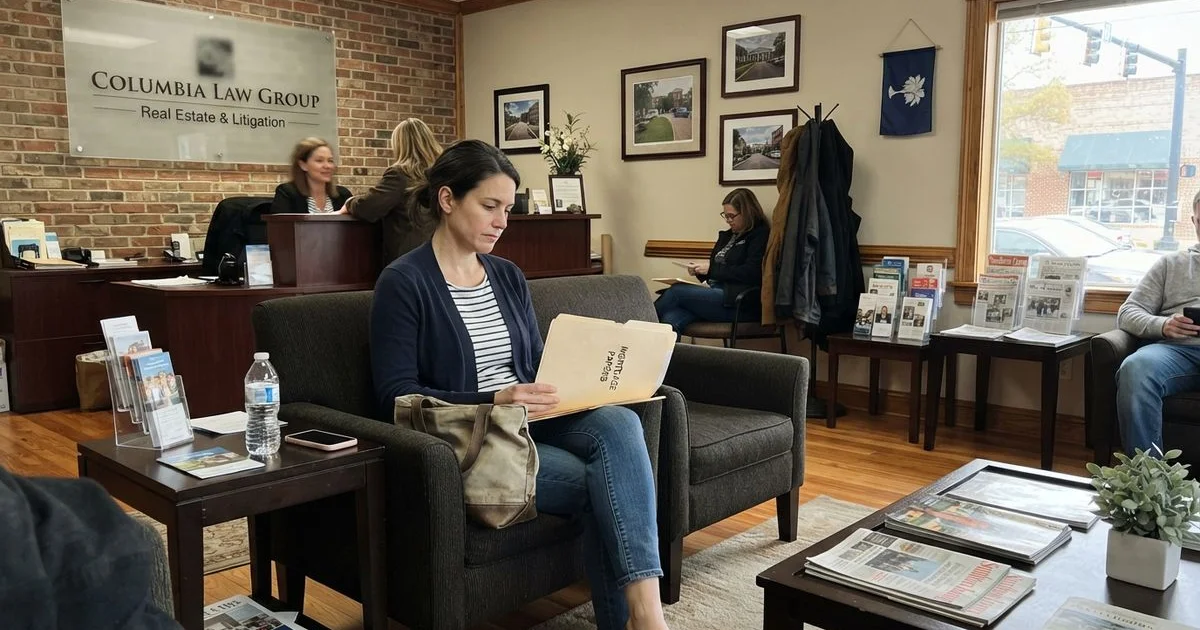
Not every foreclosure case needs a lawyer from day one. Some homeowners resolve things directly with their servicer. Others end up in court with a matter of weeks before a sale date. The trick is knowing which situation you’re actually in.
This is general information, not legal advice for your specific case.
When handling it yourself can work
If you’re early in the process, current on documentation, and dealing with a responsive servicer, a direct conversation about forbearance or a loan modification can succeed without an attorney. This tends to work best when:
- You’ve missed only one or two payments and haven’t received a formal notice of default yet.
- Your income problem was temporary (a layoff, a medical issue) and has since resolved.
- You’re comfortable gathering and submitting financial documentation on your own.
- The servicer has a track record of responding to homeowners directly rather than routing everything through litigation.
When a case clearly needs professional help
Some situations carry enough risk that going alone becomes expensive in a different way: through mistakes, missed deadlines, or a lost opportunity to raise a real defense.
| Situation | Why it favors hiring an attorney |
|---|---|
| A lawsuit or summons has been filed | Court deadlines are strict, and a missed answer can lead to a default judgment |
| A sale date is already scheduled | Stopping a scheduled sale usually requires an emergency motion or a bankruptcy filing, both of which move fast |
| You suspect a servicer error | Miscalculated payments, misapplied funds, or improper fees require documentation and negotiation skill to challenge |
| Multiple liens or a second mortgage | Coordinating with more than one lienholder gets complicated quickly without legal help |
| You’ve already tried and been denied | A prior denial doesn’t mean there’s no path forward, but it usually means the easy option is gone |

A middle path: one consultation, then decide
You don’t have to choose between full representation and total self-reliance on day one. A single consultation with a foreclosure attorney can tell you whether your case has any red flags worth paying attention to, often for free or a modest fee. If the attorney confirms your situation is straightforward, you can proceed with a direct servicer conversation with more confidence. If they flag something, like a standing-to-foreclose issue or a documentation gap, you’ll know before it becomes a bigger problem.
What self-representation actually risks
The biggest risk isn’t the paperwork itself, it’s not knowing which defenses or timing options apply to your case. South Carolina foreclosures go through court, which means there are real procedural deadlines. A missed answer, a defense you didn’t know you could raise, or a settlement offer that looked reasonable but wasn’t compared to your other options, can all close doors that an attorney would have kept open.
There’s also a harder-to-quantify risk: negotiating alone against a servicer’s loss mitigation team that handles this exact conversation hundreds of times a month. That doesn’t mean self-negotiation always fails, but it does mean you’re often the less experienced party at the table, which is worth factoring in even when the case itself looks straightforward.
Making the call
Weigh what’s at stake (the home, your equity, your credit) against the actual cost of representation. If your case is early, simple, and the servicer is cooperative, trying it yourself first is reasonable. If a court filing exists or a sale date is set, get a consultation with a foreclosure defense attorney before you decide anything else. The clock matters more than the fee at that point, and a delayed decision often costs more than the consultation ever would have.
For more on how we evaluate and rank the attorneys featured on this site, visit our methodology page, and see our homepage for the full directory of local options.
Common questions
- Can I negotiate a loan modification myself without an attorney?
- Yes, homeowners contact their servicer's loss mitigation department directly all the time. It works best for straightforward cases where you simply need a payment adjustment and the servicer is responsive.
- When does a case clearly need an attorney?
- Once a lawsuit is filed, a sale date is scheduled, or you suspect the servicer made an error in how it calculated what you owe, professional representation becomes much more valuable than doing it alone.
- What can go wrong if I represent myself in a judicial foreclosure?
- Missing a filing deadline, failing to answer a summons correctly, or not knowing which defenses apply to your case can result in a judgment being entered against you by default, closing off options you might have had.
- Is a consultation with an attorney worth it even if I plan to handle things myself?
- Often yes. A single consultation can confirm whether your case has red flags you'd miss on your own, for a fraction of the cost of full representation.