What a foreclosure defense attorney costs in South Carolina
By Marcus Beck · Updated 2026-07-10
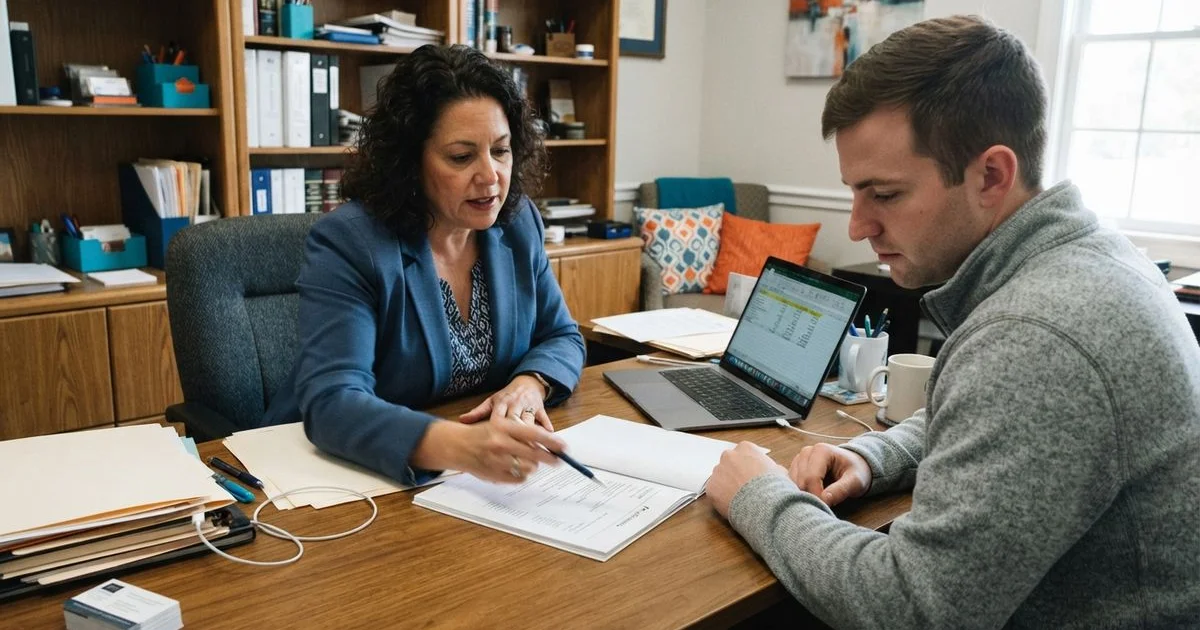
When money is the reason you’re behind, spending more of it on a lawyer feels backward. Hiring a foreclosure defense attorney in South Carolina is rarely free, but the fee structures are more predictable than most people expect once you know what to ask.
This is general information, not legal advice about your specific case. Every firm sets its own rates, and the numbers below are typical ranges, not quotes.
How South Carolina foreclosure attorneys usually bill
Three billing models show up again and again in this market:
- Flat fee. A single price for handling the defense through a set stage, such as filing an answer and negotiating with the lender. This is common for straightforward cases and gives you a fixed number to budget around.
- Hourly billing. The attorney tracks time and bills against a retainer. This is more common once a case heads toward a contested hearing or trial, where the amount of work is harder to predict up front.
- Blended arrangements. A flat fee for the early stages, converting to hourly if the case escalates. Ask which triggers the switch.
Complexity moves the price more than anything else. A case with a straightforward missed-payment history costs less to defend than one involving a disputed loan servicer, a second lien, HOA liens, or a bankruptcy filed alongside the foreclosure.
It also helps to understand what “handling the defense” actually includes in a given quote. Some flat fees cover only the initial answer and negotiation phase, with anything beyond that, like a full trial or an appeal, billed as a separate engagement. Others are priced to carry the case through resolution regardless of how contested it gets. Neither structure is wrong, but they’re not directly comparable without knowing which one you’re looking at.

What changes the price
| Factor | Effect on cost |
|---|---|
| Stage when you hire the attorney | Earlier is usually cheaper; a case near a sale date often needs emergency motions, which cost more |
| Judicial vs. non-judicial process | South Carolina foreclosures go through court, which adds filing and hearing time compared to a purely out-of-court process |
| Contested vs. uncontested | Filing an answer and negotiating is cheaper than a full trial |
| Additional issues | Second mortgages, HOA liens, or servicer disputes add research and negotiation time |
| Loan modification work | Negotiating a modification alongside the defense is often billed separately from litigation |
Questions worth asking before you sign
Ask for the fee structure in writing, not just verbally. Ask what happens if your case moves from a flat-fee stage into a contested one, since that’s where costs can grow fast. Ask whether court costs and filing fees are included in the quote or billed separately. And ask what the attorney considers a realistic outcome for a case like yours, since a low fee for a case with little chance of stopping the sale isn’t actually a good deal.
If a fee sounds unusually low, ask what work it actually covers. A rock-bottom flat fee that only covers filing paperwork, with everything else billed hourly, can end up costing more than a firm that quotes a realistic number from the start.
Free and reduced-cost paths worth checking first
Before committing to a paid retainer, it’s worth finding out whether your situation qualifies for housing counseling or legal aid support, since some homeowners can resolve or slow down a foreclosure without a full paid engagement. A foreclosure defense attorney can also tell you during a free consultation whether your case genuinely needs paid representation or whether a lender negotiation alone might work. If you are still weighing that question, the guide on whether hiring a foreclosure attorney is worth it walks through when handling a case alone is realistic.
The bottom line
Cost matters, but so does what you’re paying for. Doing nothing has its own cost: a completed sale, a possible deficiency judgment, and fewer options down the road. An attorney who catches a servicer error, negotiates a workable modification, or buys enough time to sell the home on your own terms can be worth far more than the invoice. Get at least two consultations, compare fee structures side by side, and pick the option that matches both your budget and how contested your case is likely to become. Browse the full directory of local attorneys, and see our scoring methodology for how we evaluate and rank them.
Common questions
- Do foreclosure attorneys in South Carolina charge flat fees or hourly rates?
- Both. Many firms quote a flat fee for a standard defense case handled outside of trial, then switch to hourly billing if the case goes to a contested hearing or trial. Ask which model applies to your case before you sign anything.
- Is a free consultation actually free?
- Most South Carolina foreclosure attorneys offer a no-cost initial consultation to review your notice of default or summons and complaint. Some limit the free session to a set amount of time, so ask upfront if there's a cutoff.
- Can I negotiate attorney fees or pay in installments?
- Many firms will work out a payment plan, especially for flat-fee defense work, since clients facing foreclosure are often short on cash. It doesn't hurt to ask directly during the consultation.
- Does hiring an attorney cost more than doing nothing?
- Doing nothing has its own cost: a completed sale, a possible deficiency judgment, and fewer options. Weigh attorney fees against what staying in the home, negotiating a modification, or buying time is actually worth to your situation.