Can you sell a house that's in foreclosure in South Carolina?
By Marcus Beck · Updated 2026-08-23
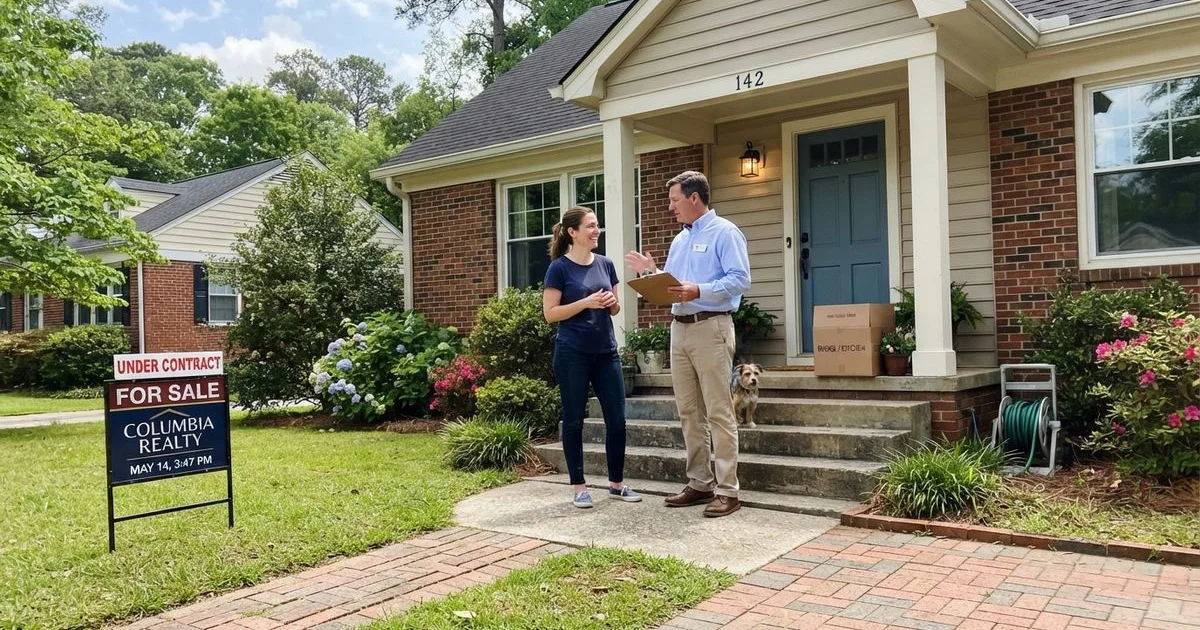
A foreclosure lawsuit doesn’t automatically freeze your ability to sell your home. In many cases, selling before the sale date is a realistic way to preserve equity and avoid the consequences of a completed foreclosure.
This is general information, not legal advice for a specific transaction.
Yes, you can generally still sell
Up until a foreclosure sale is completed and confirmed, the home is still legally yours to sell. The practical challenge isn’t legal permission, it’s coordinating the sale with the pending litigation and making sure the mortgage debt gets resolved as part of closing.
This is often better news than homeowners expect once they’re behind on payments. It’s easy to assume a lawsuit means the house is already gone, when in reality a sale you control, on a timeline you help set, is frequently a better financial outcome than a completed foreclosure auction.
Full payoff vs. short sale
| Scenario | How it works |
|---|---|
| Sale price covers the full mortgage balance | Proceeds pay off the loan at closing, and the foreclosure case is typically dismissed since the debt is satisfied |
| Sale price is less than the balance owed (short sale) | Requires lender approval to accept less than full payoff; the lender must agree to release the lien |
| Home has significant equity | A traditional sale often makes more sense than trying to negotiate with the lender at all |
| Multiple liens on the property | Each lienholder generally needs to be addressed at closing, which can complicate a short sale further |
What a pending lawsuit does to the process
Once a foreclosure lawsuit is filed, a lis pendens is often recorded, which is a public notice that litigation affecting the property is pending. This doesn’t block a sale outright, but it does put buyers, their lenders, and title companies on notice, which can slow down financing or title clearance until everyone understands how the sale will resolve the underlying case. A closing attorney experienced with these situations can coordinate directly with the lender and the court process to keep things moving.
Why timing matters
The closer you get to a scheduled sale date, the less time there is to complete a traditional sale, get lender approval for a short sale, and clear title. Buyers and their lenders also tend to move more cautiously on a property with active litigation attached, so starting the process as early as possible in the foreclosure timeline gives everyone involved more room to work with.
Short sale approvals in particular can take weeks, since the lender’s loss mitigation department has to review the offer, appraise the property, and sign off on releasing the lien for less than the full balance owed. Building that lag time into your expectations from the start avoids a last-minute scramble against a sale date that isn’t going to wait for paperwork.
Getting the right help
A short sale or a sale during active litigation usually benefits from both a real estate agent experienced with distressed sales and an attorney who can coordinate with the lender’s attorney and the court. This isn’t a situation where doing it entirely alone, or relying only on a real estate agent without legal involvement, tends to go smoothly given the legal complexity involved.
Ask any agent you’re considering how many distressed or short sales they’ve actually closed, not just listed. The negotiation with the lender’s loss mitigation department is a different skill than a standard listing, and experience there tends to show up directly in how smoothly the transaction goes.
The bottom line
Selling during a foreclosure is often possible and can be a better outcome than letting the case run its full course, particularly if there’s equity worth preserving. The key is starting early and coordinating the sale properly with both the lender and the court process. A real estate and title law attorney can help structure this correctly. Visit the homepage for the full directory, and see our scoring methodology for how we evaluate the attorneys listed here.
Common questions
- Can I sell my house after a foreclosure lawsuit has been filed?
- Generally yes, up until the sale is completed and confirmed by the court. The specifics depend on your loan balance, any liens, and whether the lender is willing to cooperate with the timeline.
- What's a short sale and when does it apply?
- A short sale is a sale for less than what's owed on the mortgage, requiring lender approval since they're accepting less than the full debt. It's typically used when a home's value has dropped below the loan balance.
- Does a lis pendens stop me from selling?
- A lis pendens doesn't legally prevent a sale, but it puts buyers and title companies on notice of the pending litigation, which can complicate financing and title clearance until the case is resolved or the sale is coordinated with it.
- What happens to the foreclosure case if I sell before the sale date?
- If the sale pays off the mortgage in full, the foreclosure case is typically dismissed since the debt no longer exists. A short sale usually requires separate lender sign-off to release the lien even though the full balance isn't paid.