DIY vs. hiring an attorney for a South Carolina real estate closing
By Marcus Beck · Updated 2026-07-25
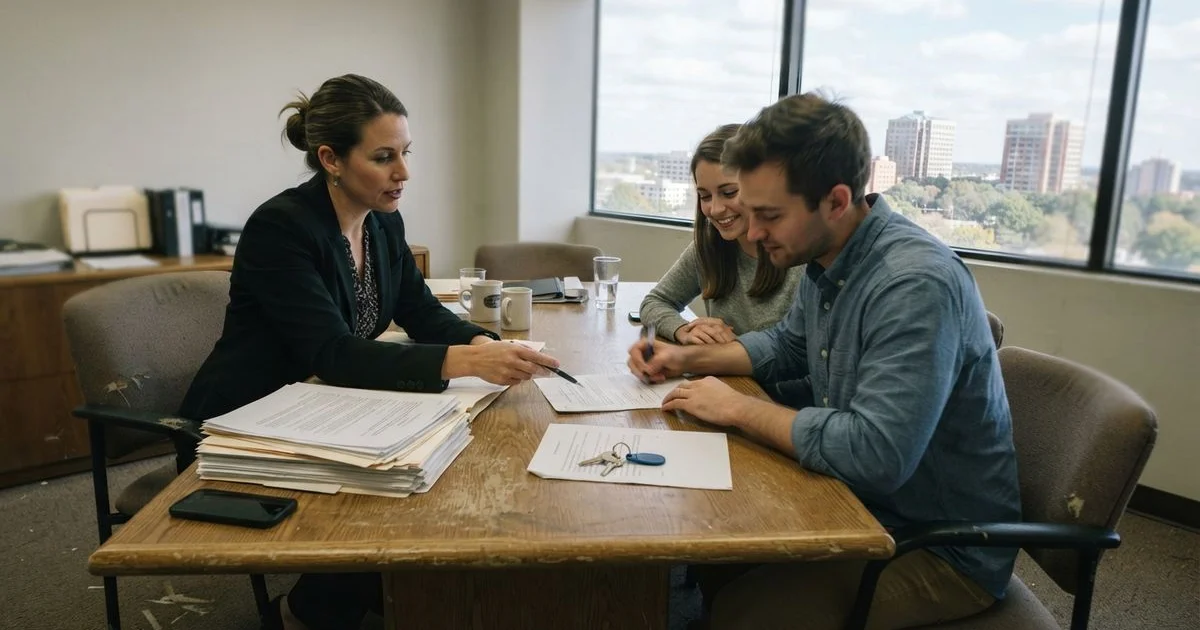
Unlike some states where closings are handled mostly by title companies or escrow agents, South Carolina requires licensed attorney involvement in the closing process. That changes the DIY question from “should I hire someone” to “how do I pick the right one.”
This is general information, not legal advice about your specific transaction.
Why South Carolina closings work differently
South Carolina law requires an attorney to supervise the closing, including preparing or reviewing the deed and overseeing the actual transfer of funds and title. This isn’t optional the way hiring extra help might be in other parts of a real estate transaction. The practical question for buyers and sellers isn’t whether to involve an attorney, it’s which one, and how closely to stay involved in reviewing what they prepare.
This requirement exists because a deed error or a missed lien can create real title problems years down the road, long after both parties have moved on. A licensed attorney supervising the process is meant to catch those issues before they become someone else’s problem to untangle later.
What a closing attorney actually handles
| Task | Why it matters |
|---|---|
| Title search review | Confirms the seller can actually convey clear ownership, free of liens or disputes |
| Deed preparation | Ensures the legal description and transfer language are correct |
| Closing document review | Confirms loan terms, fees, and disclosures match what was agreed |
| Fund disbursement | Handles the actual movement of money between buyer, seller, and lender |
| Recording | Files the deed and mortgage with the county so the transfer is legally on record |
Reviewers consistently mention two things about good closing attorneys: clear explanations of what’s happening at each step, and responsive staff who answer questions promptly during a process that often feels rushed. The complaints that do show up tend to cluster around delays on title issues discovered late, or unclear communication about what a firm will and won’t handle beyond the closing itself.
Where your own involvement still matters
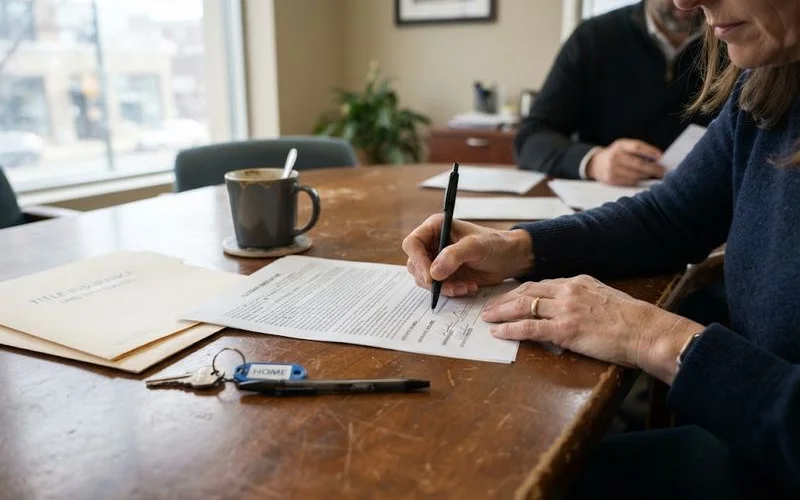
Even with an attorney required by law, staying engaged protects you. Read the closing disclosure before the closing date, not for the first time at the table. Ask specifically whether the title search turned up anything, since older properties in this area sometimes carry old liens or unresolved estate issues that need clearing before a clean transfer can happen. If numbers on the closing disclosure differ meaningfully from your loan estimate, ask why before you sign. If the property itself is already in foreclosure, clearing those liens is part of a bigger question about whether the sale can close at all; the guide on selling a house that’s in foreclosure covers that scenario directly.
Bring a list of questions to the closing itself rather than assuming everything will be self-explanatory in the moment. It’s easy to feel rushed at the table, surrounded by people waiting on signatures, but a few extra minutes spent understanding a document you’re about to sign is worth far more than the mild awkwardness of asking someone to slow down.
Picking the right attorney for your closing
You’re generally not required to use whichever attorney a lender or agent suggests. It’s worth comparing at least two firms, asking about their fee structure (often a flat closing fee), their typical turnaround time, and how they communicate updates. A firm that explains title issues clearly and returns calls promptly tends to make for a smoother closing than one that goes quiet between the contract and the closing date.
It’s reasonable to ask a prospective closing attorney how they handle a title problem discovered late, since that’s exactly the situation where communication quality separates a firm that keeps you informed from one that leaves you guessing days before closing.
The bottom line
In South Carolina, the real question isn’t DIY versus attorney, since the law settles that. It’s how much you verify along the way and which real estate and title law firm you choose to handle it. Visit the homepage to compare local options, and see our scoring methodology for how rankings are built.
Common questions
- Is a real estate attorney legally required for a closing in South Carolina?
- South Carolina requires an attorney to supervise certain parts of a real estate closing, including preparing or reviewing the deed and handling the closing itself. You can't fully DIY the legal side the way you might in some other states.
- What does a closing attorney actually do?
- They review the title search, prepare or review closing documents, make sure the deed and mortgage are recorded correctly, and disburse funds at closing. Many also help resolve title issues that turn up before closing.
- Can I choose my own closing attorney, or does the lender pick one?
- In most cases you can choose your own attorney rather than using whoever the lender or real estate agent suggests. Comparing a couple of options is worth the extra step.
- What should I watch for during closing?
- Review the closing disclosure closely for numbers that don't match earlier estimates, ask about any title issues found during the search, and don't sign anything you don't understand just because you're at the table.