What to expect when you hire a foreclosure defense attorney
By Marcus Beck · Updated 2026-07-22
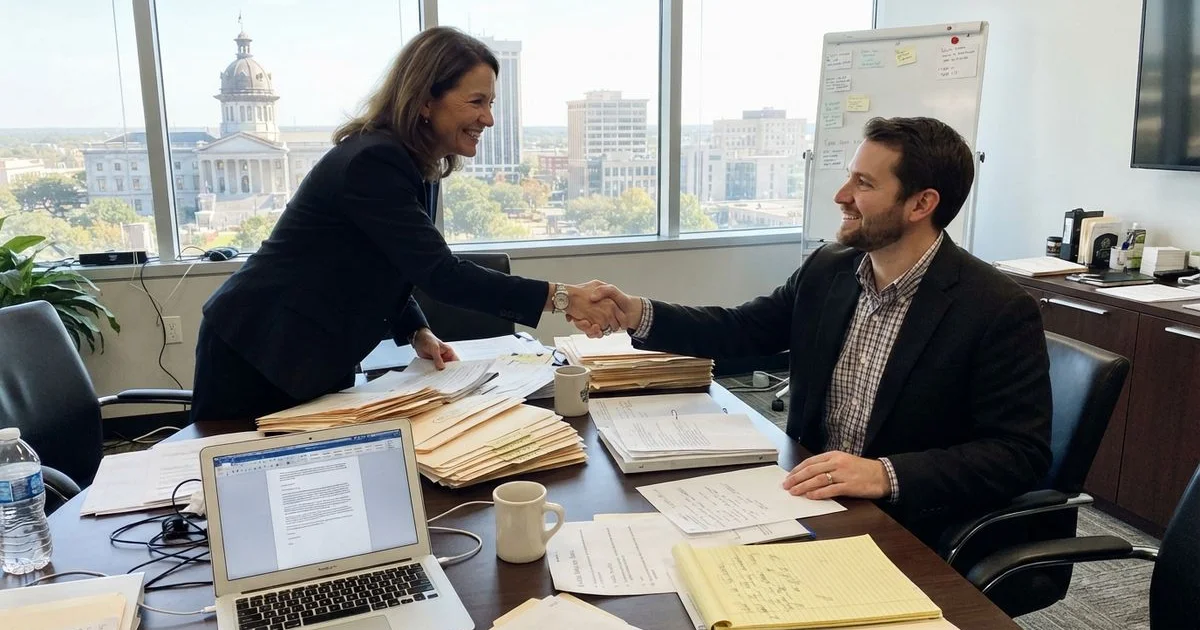
Hiring the attorney is the easy part. Knowing what a normal, well-run case looks like from the inside is what helps you spot a problem early instead of six months in.
This is general information, not legal advice about how your specific case should be handled.
What a good foreclosure defense engagement looks like
A well-run case usually starts with the attorney requesting your full loan history and reviewing the notice of default or court complaint for procedural problems: has the lender proven it actually holds the note, was the notice sent correctly, are the amounts claimed accurate. From there, most cases follow one of a few paths: negotiating directly with the servicer’s loss mitigation team, filing an answer to preserve your defenses in court, or coordinating with a bankruptcy filing if that’s part of the strategy.
Throughout the process, you should know what stage your case is in and what’s coming next. You shouldn’t have to guess. Early on, it’s reasonable to ask the attorney to walk you through the likely sequence of events for a case like yours, even if the specific timing is uncertain, so you have a mental map of what normal progress actually looks like.
Communication: the most common source of complaints
Across reviews of local attorneys, the single most common complaint isn’t about outcomes, it’s about communication. Clients who feel informed, even when the news isn’t great, tend to stay satisfied. Clients who are left wondering what’s happening tend not to.
| What good communication looks like | What a red flag looks like |
|---|---|
| Regular updates ahead of deadlines and hearings | Weeks of silence with no explanation |
| Clear answers about what stage the case is in | Vague responses that don’t actually answer your question |
| A named point of contact, attorney or paralegal | Calls and emails routed nowhere, with no callback |
| Transparent fee explanations before charges hit | Surprise charges you weren’t told about in advance |
If you’re experiencing the right-hand column, it’s reasonable to ask directly for a status update in writing, and to escalate if you don’t get one.
Questions to ask along the way
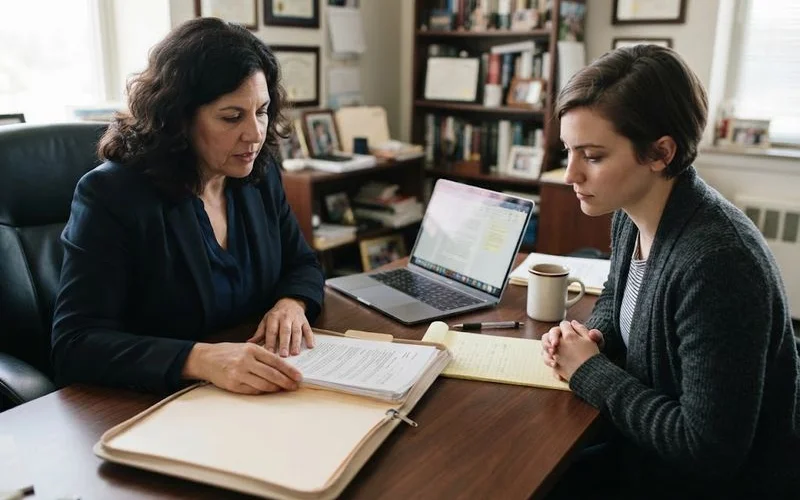
Ask what the realistic range of outcomes looks like for your case, not just the best-case scenario. Ask what happens if the servicer doesn’t respond to a modification request in time. Ask how the attorney will keep you informed as deadlines approach, and hold them to that. A good attorney explains legal steps in plain language rather than jargon, and treats questions as normal instead of a bother.
It also helps to ask what you’re responsible for during the case. Some attorneys expect clients to forward every piece of mail from the lender promptly; others handle most correspondence directly once representation begins. Knowing your role upfront avoids a gap where something important slips through because neither side assumed responsibility for it.
When to raise concerns, and how
If communication goes quiet during a critical window, like the weeks before a scheduled hearing or sale date, say so directly and ask for a same-week update. Most issues are resolved by asking clearly and in writing. If a pattern continues, a second consultation with a different attorney can help confirm whether your concerns are reasonable, and can also give you a real alternative if you decide a change is warranted partway through.
The bottom line
A foreclosure defense case that’s going well feels informative, even when the underlying situation is stressful. You’ll know your case’s status, what’s next, and roughly when to expect it. If that’s missing, don’t wait to speak up. Compare local foreclosure defense attorneys from the full directory, and see our scoring methodology for how responsiveness and client sentiment factor into our rankings.
Common questions
- How often should my attorney contact me during the case?
- You shouldn't have to chase your attorney for weeks at a time, especially near key deadlines like a hearing or a sale date. Ask upfront how updates are handled, whether by phone, email, or a client portal.
- What's the first thing a foreclosure attorney does after taking my case?
- Most start by requesting your full payment and communication history from the servicer and reviewing the notice of default or complaint for procedural issues, such as whether the lender can prove it has standing to foreclose.
- Is it normal for a case to feel slow at first?
- Some early stages, like waiting for a servicer to respond to a modification request, can move slowly through no fault of your attorney. Ongoing silence with no explanation is different from a slow but explained process.
- What should I bring to my first meeting?
- Your mortgage statements, any notices from the lender or court, a list of other debts, and recent pay information. The more complete your paperwork, the faster your attorney can assess your options.